Bullfighting tickets in Madrid
Secure your tickets now - Las Ventas, since 1931

Las Ventas, Madrid
Madrid bullfighting tickets at the best price
Las Ventas is the most important bullring in the world and the heart of Spain’s bullfighting season. Book your seats here for the 2027 season, from the spring openers to the San Isidro Fair, and find everything you need to plan your visit.
Read more
Bullfighting is one of the great expressions of Hispanic culture. It began on the Iberian Peninsula, in what is now Spain and Portugal, and is considered one of the oldest spectacles in the world. Over the centuries it spread to countries such as Mexico, Venezuela, Colombia, Ecuador, Peru and Costa Rica. In most of those countries bullfights take place only in a few cities and on specific dates, but Spain has a full season that runs through most of the year in cities across the country.
The Plaza de Toros de Las Ventas is one of the most famous bullrings in the world. If you are looking for an adrenaline rush and a taste of Spanish culture, a bullfight in Madrid is a once-in-a-lifetime experience.
Bullfights are a big part of Spanish culture, and tickets are easy to buy online. Keep in mind that a bullfight can be intense to watch. If you are not comfortable seeing animals in the ring, it may not be the activity for you. If you decide to go, it is sure to be an unforgettable experience.
Madrid may be most famous for its football teams, but bullfighting captures the attention of locals and visitors alike. Demand is high, so if you want to see a bullfight in Madrid in 2027, buy your tickets in advance. This website gives you everything you need to know about buying tickets for a bullfight in Madrid. Enjoy the show!
1931
Las Ventas inaugurated
23,000+
Seats in the bullring
March to October
The 2027 season
Sol and Sombra
Sun, shade and mixed seating
Types of events
Three kinds of afternoon you can see at Las Ventas.
Corrida de toros
The classic bullfight: three matadors and six bulls of around 500 kg, in three acts.
Novillada
Young bullfighters in training face young bulls under 450 kg. Great value for a first visit.
Rejoneo
Bullfighting on horseback, where rider and horse work as one.
Read more: types of bullfights
Bullfights are traditional events held to celebrate cities and towns across Spain. There are three main kinds: the novillada, the corrida de toros and the rejoneo. In a novillada, the bulls (novillos) are young animals weighing less than 450 kg whose strength is not yet fully developed, and they are fought by bullfighters who have not yet finished their training. A corrida features fully grown bulls. These fighting bulls come from the Iberian Peninsula, weigh around 500 kg and stand apart from other cattle for their defensive instinct and brave temperament.
The 2027 season brings all three together. The toros offer raw power and grandeur, the novillos show the agility and promise of the next generation, and the rejones add the excitement of mounted riders who face the bull on horseback. Together they offer a complete view of Spanish bullfighting in all its variety.
2027 season dates
Key dates at Las Ventas. Full posters are announced closer to each fair.
| Date | Event |
|---|---|
| Sunday 21 March | Palm Sunday: season opener |
| Sunday 28 March | Easter Sunday bullfight |
| 11 May to 6 June | San Isidro Fair, the biggest fair of the year |
| Sunday 15 August | Autumn Fair |
Read more: Las Ventas and the 2027 season
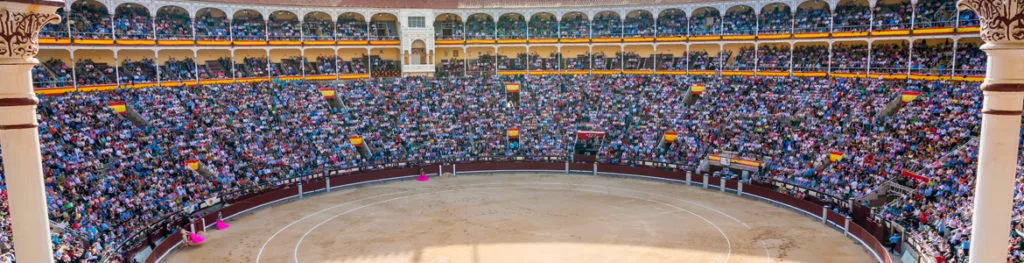
Las Ventas is revered as one of the most iconic and historic venues for bullfighting in the world, and is often called the cathedral of bullfighting. Inaugurated in 1931, this neo-Mudéjar bullring is a place of pilgrimage for fans from all over the world. With room for more than 23,000 spectators, it is one of the largest bullrings in the world. Its design, inspired by old Spanish bullrings, combines Gothic and Mudéjar elements; the horseshoe arches, the tiles and the clock tower are among its most characteristic features.
The season at Las Ventas is a highlight of Madrid’s cultural calendar, attracting top bullfighters and enthusiastic crowds. From the opening corrida to the climax of the San Isidro Fair, the bullring is the stage for unforgettable displays of bravery and artistry, and the sense of tradition makes every afternoon special. From the trumpet that announces the start to the final moments in the ring, a bullfight at Las Ventas is a chance to experience one of Spain’s most emblematic cultural traditions.
Several key dates mark the 2027 calendar, from the first bullfights in March to the great fairs of spring and autumn. The May events and the San Isidro Fair are the focal point of the year, drawing aficionados from near and far. Get ready for an exciting year of bullfighting in Spain, and book your tickets early for the dates that matter most to you.
The bulls: main breeds
Each breed brings its own look and temperament to the ring.
Casta Jijona
Known for its reddish coat, and seen in bullrings across Spain.
Andalusian
Considered by experts the closest to the ideal fighting bull.
Casta Navarra
Small and agile, shaped by mountain terrain, and brave in the ring.
Casta Cabrera
A long body and heavy legs give this breed great strength.
Castellana
Strong, hardy and fierce-looking, and one of the most common lines.
Casta Vazqueña
Brings together the best Castilian and Andalusian traits.
Read more: the breeds of fighting bull
Casta Jijona: this bull stands out for the reddish colour of its coat. The breed appears in bullrings in cities across Spain.
Andalusian: according to experts, thanks to the way it is raised, the Andalusian bull comes closest to the ideal prototype, reaching the ideal weight and the most suitable physical characteristics.
Casta Navarra: its mountain origins and small size have not limited its brave character or its performance in the ring, and it takes part in the most important fairs in Spain.
Casta Cabrera: what sets this breed apart is physical. Its long body and heavy legs give it great strength, which is why its bulls are often chosen among the six fought in the country’s main bullrings.
Castellana: strong, hardy and fierce in appearance, it is one of the most frequently seen breeds during the season.
Casta Vazqueña: rather than coming from one region, it brings together the best examples of the Castilian and Andalusian breeds, and is internationally recognised for the strength and bravery of its bulls.
Bullfighters to watch in 2027
Line-ups are not announced yet. These names are expected to feature strongly.
Julián López “El Juli”
José María Manzanares
Morante de la Puebla
Andrés Roca Rey
Sebastián Castella
Enrique Ponce
Read more: what to expect in 2027
The 2027 season will showcase top bullfighters whose mastery of the cape and the sword, and commitment to the rituals of the corrida, draw devoted fans and curious visitors alike. From seasoned veterans to rising stars, every afternoon is a chance to see the drama, passion and spectacle that have made them the best in their field.
Not all details of the 2027 season have been announced, but some trends are already clear:
- A greater presence of women in every area of bullfighting, from bullfighters to ranchers and professionals.
- New figures: new talents fighting for a place on the Las Ventas posters.
- Innovative formats such as mixed bullfights (bullfighters and rejoneadores), competitions and shows for families.
- Technology that improves the spectator experience, from high-definition broadcasts to mobile apps.
- Social commitment: Las Ventas supporting social causes and promoting tradition, respect and culture.
Established figures such as Julián López “El Juli”, José María Manzanares, Enrique Ponce and Morante de la Puebla usually headline the most important posters. Rising talents such as Álvaro Lorenzo, Pablo Aguado and Tomás Rufo will seek to confirm their place among the elite. Foreign bullfighters such as Sebastián Castella and Andrés Roca Rey usually appear in the key bullfights of the season.
The most traditional and prestigious ranches, such as Victorino Martín, Miura, Núñez del Cuvillo and Jandilla, usually feature prominently at Las Ventas, alongside rising ranches such as Adolfo Martín and Fuente Ymbro. The season will offer a variety of bulls so fans can enjoy different styles.
Las Ventas, Madrid
Protagonists in the bullring
Many people play a role during a bullfight, each one helping the matador, the star of the afternoon.
The matador
The most important figure of the afternoon, who shows skill and courage and kills the bull with the sword.
Banderilleros
Place the banderillas in the bull and assist the matador throughout.
Picadors
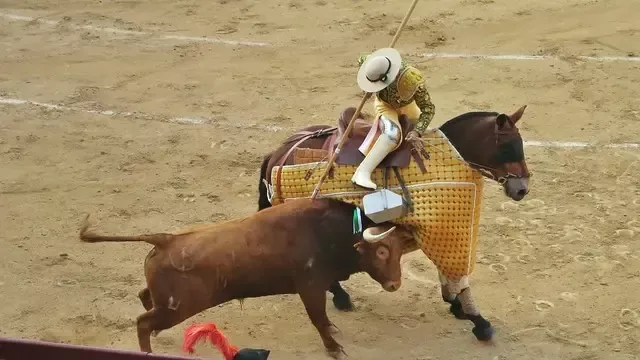
Riders on horseback who test the bull’s bravery before the final act.
Ring assistants
Monosabios, mulilleros, the torilero and the mozo de espadas keep the afternoon running.
Read more: the people in the ring
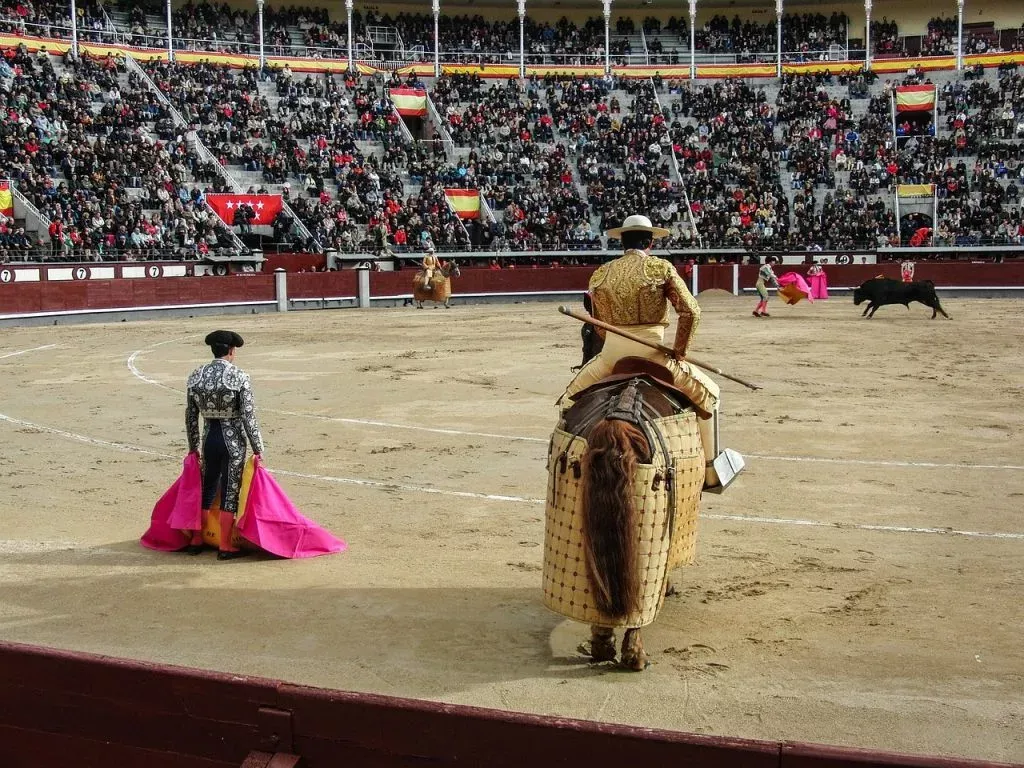
The cuadrilla: the team that works with each matador. In a standard corrida, three matadors face six bulls, each with a team of banderilleros and picadors. In a mano a mano, two matadors share six bulls. In a solo afternoon, one matador faces all six bulls.
Monosabios: they assist the picadors on foot and help with the horses. They are recognised by their red and white outfits and small hats.
Picadors: they test the bull on horseback before it passes to the matador, showing the animal’s bravery. The weight of the picador must be balanced with the horse.
Mulilleros: they drive the team of mules that removes the bull from the ring. They wear a blouse, white trousers and a red sash.
Torilero: opens the gate that lets the bull into the ring. At Las Ventas, by tradition, the torilero wears a suit of lights.
Banderilleros: they place the banderillas in the bull, and also act as the matador’s direct assistants throughout the afternoon.
Mozo de espadas: the sword handler, who stays behind the barrier and looks after the capes, swords and everything else the matador needs.
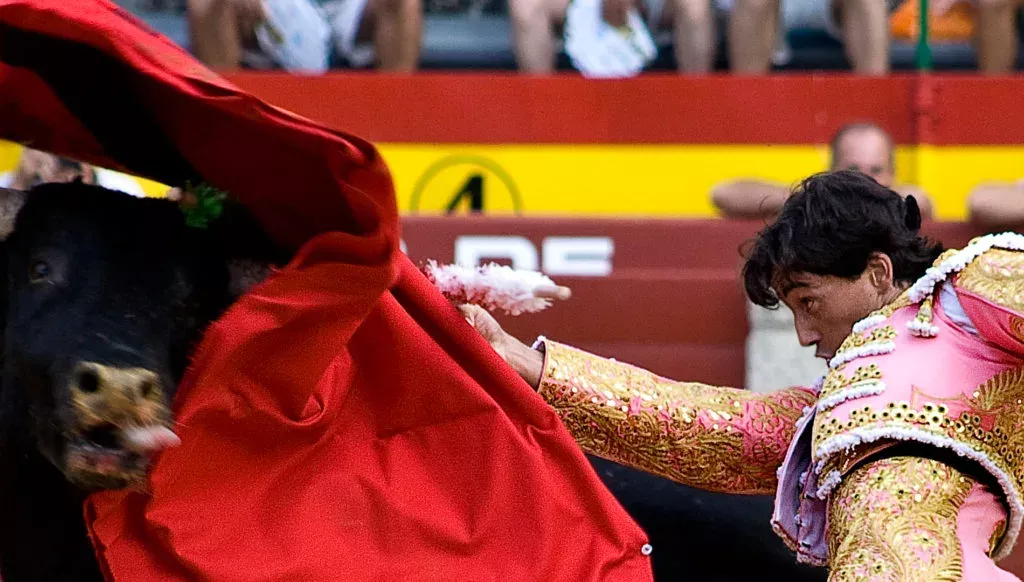
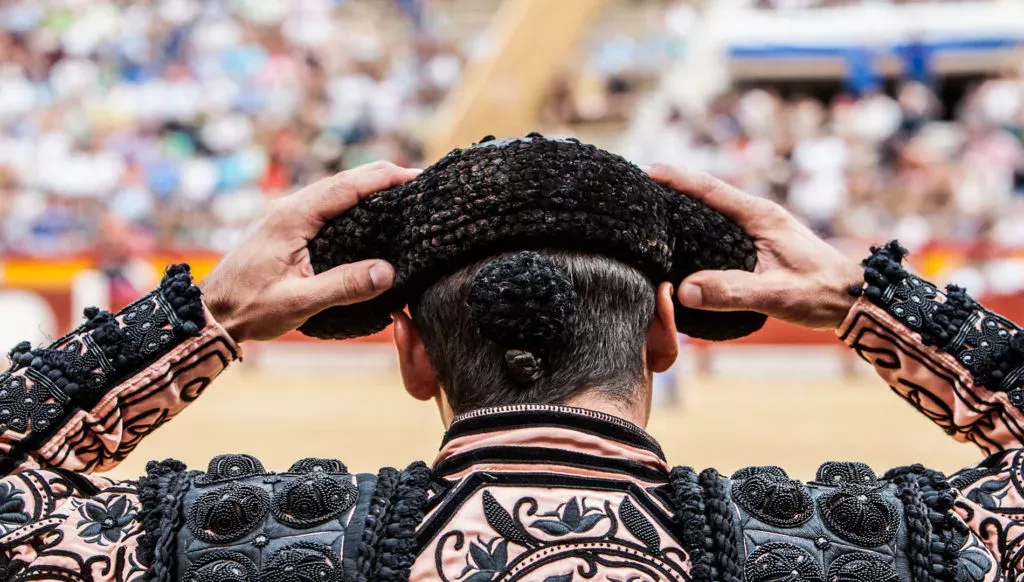
The matador: the most important figure of the afternoon, who shows skill, strength and courage before the bull, and kills it with the sword at the end of the final act.
Frequently asked questions
When is the bullfighting season in Madrid?
From March to October, with the San Isidro Fair in May and June as the highlight. See the dates above.
Which seats should I choose: Sol or Sombra?
Sombra (shade) is cooler and more expensive, Sol (sun) is cheaper, and Sol y Sombra moves into the shade during the afternoon. Read our seat guide.
What should I wear to a bullfight?
Smart casual is fine. See our dress guide.
Why should I buy tickets in advance?
Demand is high, especially during San Isidro. Booking early gives you the widest choice of seats, from the lively sunny sections to the shaded, higher tendidos.
Secure your seats for 2027
Pick your date, category and number of tickets in three steps. Booking early means the best choice of seats.